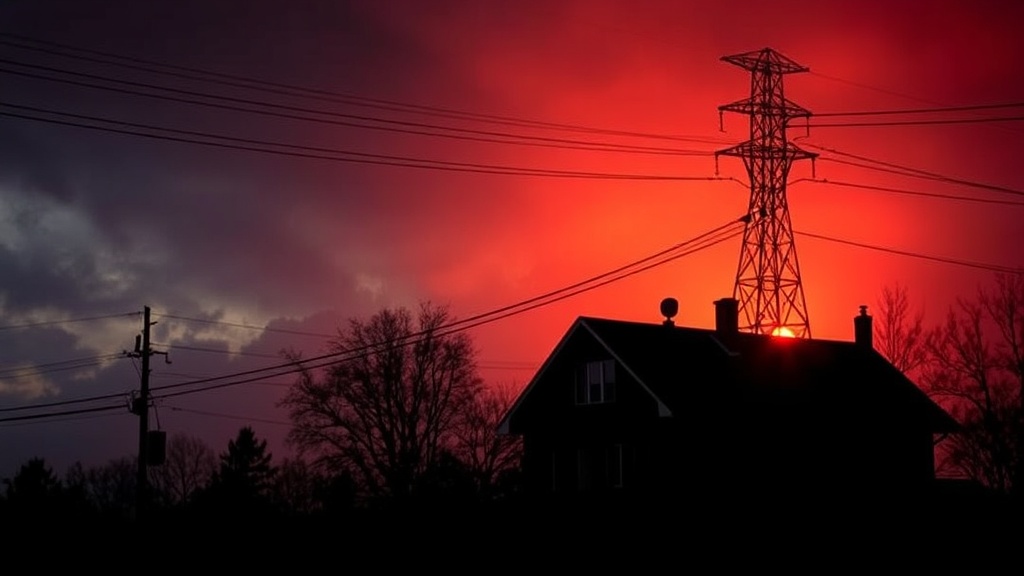
Unexpected Darkness: What Quinte West Households Can Do Before a Power Cut

Unexpected Darkness: What Quinte West Households Can Do Before a Power Cut
Many of us in Quinte West often view power outages as minor inconveniences – temporary blips that resolve themselves quickly. The truth is, while many outages are indeed brief, some can stretch for hours or even days, bringing real challenges to our homes and daily routines. This guide isn't about fear-mongering; it’s about empowering you with practical, straightforward steps to ensure your household remains safe, comfortable, and connected when the lights go out, whether it’s a summer storm or a winter ice event. Being prepared simply makes life easier for everyone.
Ignoring the potential for extended outages isn’t a strategy; it’s an oversight that can lead to unnecessary stress and even danger. Instead of hoping for the best, let’s plan for the possibility and make sure our Quinte West homes are ready for anything the weather throws our way. It’s about taking control, not succumbing to circumstances.
What Should Every Quinte West Home Have for a Power Outage?
The core of outage readiness lies in a well-stocked emergency kit. Don't wait for a storm warning to start gathering these items; a sudden outage won’t give you time to run to the store – they might be closed, or shelves might be empty. Assemble your kit today, keep it in an easily accessible location, and make sure everyone in the household knows where it is.
- Lighting: Flashlights (multiple!), headlamps, and plenty of fresh batteries are an absolute must. Consider a battery-operated lantern for ambient light. Avoid candles where possible – they're a significant fire hazard. If you do use them, keep them in sturdy, non-combustible holders, well away from anything flammable, and never, ever leave them unattended. Rechargeable LED lanterns are a fantastic alternative, offering long-lasting light without the fire risk.
- Communication: A battery-powered or hand-crank radio isn’t just nostalgic; it’s your lifeline to local news and emergency broadcasts when cell towers might be down or overwhelmed. Fully charged power banks for your phones are indispensable for keeping in touch, and a car charger can be a lifesaver if your vehicle’s accessible. For those with traditional landlines, keeping an old corded phone can be surprisingly useful, as they often work when cordless phones (which need electricity) don't.
- First-Aid: A comprehensive first-aid kit is always smart, but especially so during an outage when medical services might be strained or difficult to access. Include pain relievers, bandages, antiseptic wipes, any personal prescription medications, and a seven-day supply of those medications for every family member.
- Food and Water: Plan for at least 72 hours of sustenance. Non-perishable food items that don't require cooking are ideal – think canned goods (like tuna, beans, soup), granola bars, dried fruit, nuts, and peanut butter. Don't forget a manual can opener! Store at least two litres of water per person per day for drinking and sanitation. You might want extra for flushing toilets, if your water supply relies on an electric pump.
- Essentials & Comfort: Keep a supply of cash (ATMs won't work, and debit/credit machines may be offline), extra blankets or a sleeping bag per person, a whistle (to signal for help), and copies of important documents (like insurance policies and identification) in a waterproof bag. If you have infants or pets, remember their specific needs too – formula, diapers, pet food, and any special medications. Consider adding a few games or books to keep spirits up, especially if you have children.
For more detailed guidance on what to include in your kit, the Canadian Red Cross offers an excellent resource: